
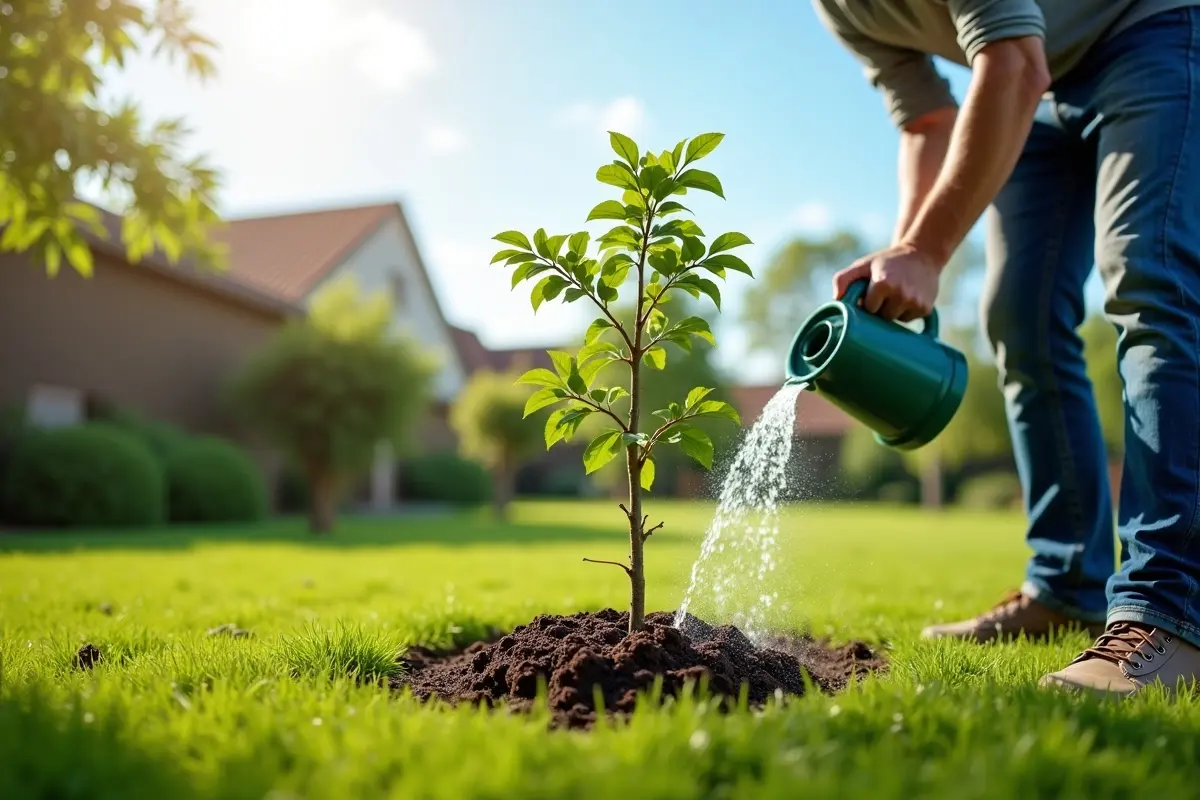
Trees are a vital part of every landscape, providing shade, beauty, and ecological benefits. Homeowners are responsible for ensuring their trees grow strong and healthy, which requires thoughtful, consistent care throughout the year. Partnering with a commercial tree company Argyle can help you take a more informed approach, but knowing tree care fundamentals empowers you to play an active role in maintaining your property’s natural value.
Whether you’re tending to young saplings or mature, established trees, following best practices for pruning, watering, mulching, and seasonal care can prevent problems before they arise. Proper tree care supports not only your property’s appeal but also the broader environment, providing habitat, cleaner air, and better soil stability. By understanding common mistakes and when to seek expert help, you’ll keep your trees thriving for generations.
Regular maintenance, attention to timing, and knowing your trees’ specific needs are key to success. A proactive approach to tree care minimizes risks, fosters resilience against weather and pests, and maximizes both the beauty and longevity of your greenery.
Regular Pruning for Health and Safety
Pruning is an essential part of healthy tree maintenance. By removing dead, damaged, or diseased branches, you help prevent the spread of pests and diseases while keeping your yard safer. Focus your efforts during the dormant season (late fall to winter), when trees are least likely to be stressed, thereby minimizing the risk of spreading infections. Prioritize trimming:
- Dead, dying, or brittle branches.
- Limbs overhanging structures, pathways, or high-traffic areas.
- Crossed or rubbing branches can cause growth wounds.
When larger branches or trees near power lines are involved, always consult a certified arborist for safe removal. Their expertise ensures the job is done safely and correctly, protecting both people and property.
Proper Watering Practices
Tree watering needs vary by species, age, and current climate. For young trees, regular watering is vital as roots establish, while mature trees prefer deep, less frequent watering sessions. To support healthy trees, follow these guidelines:
- Water deeply once or twice weekly during dry spells.
- Ensure water soaks 12–18 inches into the soil to train roots to grow deep and strong.
- Opt for slow, deep irrigation with a soaker hose or drip system to avoid runoff.
Remember, overwatering can suffocate roots just as underwatering leads to dehydration. Regularly monitor soil moisture by checking beneath the surface and adjust your schedule to match weather conditions.
Mulching for Tree Health
Mulching is one of the easiest ways to support tree vigor. It conserves soil moisture, blocks weeds, and stabilizes soil temperatures—crucial in both hot summers and cold winters. However, improper mulching practices can be detrimental. Avoid the common pitfall of “mulch volcanoes,” where mulch is piled against the trunk, as this traps moisture, leading to rot and fostering pests. Better techniques include:
- Apply a 2–4 inch even layer around the tree, starting just beyond the trunk.
- Keep a clear gap (several inches wide) between mulch and the tree’s base.
- Top off mulch as it decomposes, typically once or twice a year.
Correct mulching not only protects roots and soil life but can limit erosion and reduce your need for herbicides.
Seasonal Tree Care
Different times of year demand different approaches. In fall and winter, continue watering until freezes, lay a protective mulch ring, and use tree guards to deter wildlife. Spring and summer shift the focus to:
- Checking for pest activity, fungal growth, or physical damage.
- Pruning away branches harmed by winter or storms.
- Ensuring consistent water through dry weather.
Seasonal attention guards your trees against both environmental stress and opportunistic diseases, keeping them lush and resilient year-round.
Common Tree Care Mistakes to Avoid
Even seasoned homeowners sometimes stumble into mistakes that can imperil tree health. Major pitfalls include:
- Mulching too thickly or directly against trunks traps moisture and encourages disease.
- Topping trees (cutting back larger branches indiscriminately), weakening the overall structure, and inviting decay.
- Inconsistent or excessive watering routines can drown or dehydrate roots.
By steering clear of these errors, you’ll set your trees up for long-term health and beauty.
When to Seek Professional Help
While everyday care can often be handled yourself, certain issues—such as evidence of diseases, splitting trunks, or hazardous branches—require professional inspection. Certified arborists provide expert evaluation, targeted treatments, and safe solutions for high-risk situations. Early intervention makes a big difference in outcomes, preserving tree vitality and property safety.
Conclusion
Investing time and care in your trees pays dividends in aesthetics, property value, and environmental health. With the right seasonal attention and know-how, you’ll keep your green assets thriving. For complex issues or safety concerns, never hesitate to reach out to a qualified professional who can offer guidance tailored to your specific landscape and region.

