
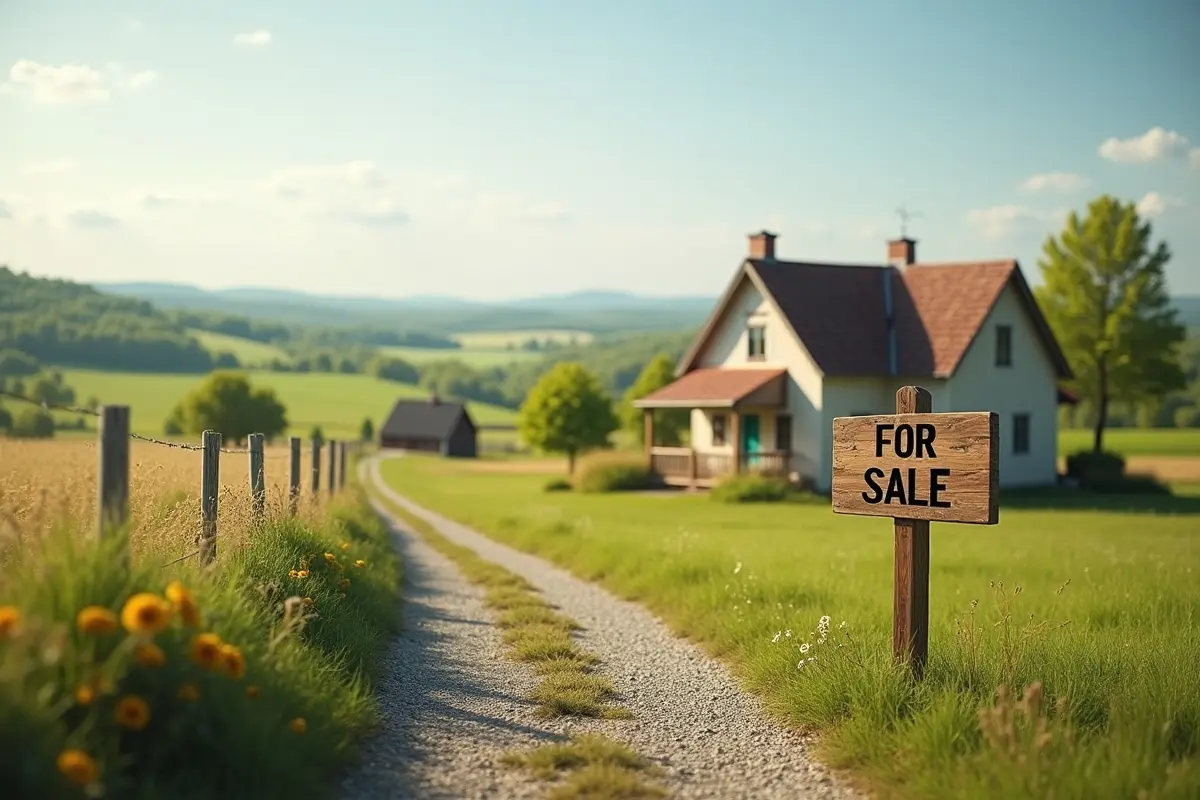
Choosing between rural, suburban, and small-town living is about more than square footage or a backyard view. The right setting should support how you work, shop, commute, relax, care for a property, and plan for the next five to ten years.
For buyers comparing different property types around the western Fort Worth area, Parker County, TX Homes for Sale is a useful starting point for exploring available homes, acreage, and local communities. The Atkins Agency, a Willow Park-based real estate team serving Parker County communities such as Weatherford, Aledo, and Willow Park, provides searchable listings and local market guidance for buyers weighing rural, suburban, and small-town options.
Why The Setting Matters As Much As The House
Two homes with similar prices, bedrooms, and finishes can create completely different ownership experiences. A home outside town may provide quiet, open land, and room for animals or a workshop, but it may also add miles to every errand. A suburban home may put schools, parks, and grocery stores nearby, while bringing smaller lots, traffic, and association rules. A small-town home may offer character and community, but it could need updates that are not obvious during a quick showing.
Instead of ranking one lifestyle above another, compare each property through the same practical lens: total monthly cost, upkeep, services, travel, risk, and long-term fit.
Rural Living: More Space And More Responsibility
Rural properties often appeal to buyers who want privacy, larger lots, lower traffic, gardens, livestock, horses, detached workshops, or room for outdoor recreation. Those advantages can be meaningful, but acreage also creates more systems to inspect and maintain.
Before closing, determine whether the home uses a private well and septic system, and ask for records related to maintenance, permits, repairs, and water testing. Review driveway condition, drainage, fences, gates, barns, sheds, easements, and access rights. The USGS rural homeowner guide is a helpful resource for understanding how groundwater, wells, septic systems, and land conditions can affect a property.
Also confirm who maintains the road, whether deliveries and emergency vehicles can reach the house reliably, and what it will cost to manage mowing, tree work, gravel, fencing, and storm cleanup. More land can be a benefit, but it should not become an unexpected burden.
Suburban Living: Convenience With Added Tradeoffs
Suburban homes can offer a predictable ownership experience. Public water and sewer, sidewalks, neighborhood parks, nearby schools, and shorter trips to stores or medical care may make daily life easier. Newer communities may also have modern utility infrastructure and homes with more standardized maintenance needs.
The tradeoff is that convenience can come with homeowner’s association dues, deed restrictions, smaller lots, less privacy, and rush-hour congestion. Read HOA documents before making an offer, including rules for fences, exterior changes, parking, pets, rentals, and home-based businesses. Check whether new roads, retail projects, apartments, or additional phases of development are planned nearby.
Small-Town Living: A Middle-Ground Option
Small towns can combine a slower pace with nearby shops, schools, parks, and local events. Buyers may find older homes with established trees, larger rooms, distinctive architecture, and locations close to a walkable downtown area. For households that want community without a dense suburban setting, this can be a strong middle-ground choice.
However, older homes need a thorough inspection. Pay close attention to electrical panels, plumbing, foundations, roofs, crawl spaces, drainage, insulation, and HVAC equipment. Check internet reliability at the exact address, not just in the general area. It is also wise to measure driving time to groceries, pharmacies, urgent care, hospitals, child care, and hardware stores.
Build A Realistic 2026 Home Budget
- Start with the full payment. Include principal, interest, property taxes, homeowner’s insurance, mortgage insurance if applicable, and HOA dues.
- Add location-based costs. Estimate fuel, tolls, trash service, lawn care, water, septic service, internet, and higher utility costs where applicable.
- Plan for repairs. Set aside funds for roofs, HVAC systems, driveways, fencing, wells, outbuildings, and major appliances.
- Get insurance quotes early. Do this before the option period expires, especially if the home has acreage, a pool, an older roof, or prior claims.
- Keep a reserve. A cash cushion can make a surprise repair, storm event, or utility issue easier to handle.
Review Flood, Drainage, And Insurance Risks
Flood exposure is worth reviewing in every setting. A house on a suburban street can have drainage problems, just as a rural property can have creek crossings, culverts, low-water areas, or a long driveway that washes out during heavy rain. Ask about prior water intrusion, standing water, drainage improvements, foundation movement, and insurance claims.
Check official maps rather than relying only on a seller’s comments or the weather on the showing day. The National Flood Insurance Program flood-zone guide explains how flood zones relate to property risk and insurance questions. Remember that standard homeowners insurance commonly handles different risks than flood coverage, so ask an insurance professional what protection is included.
Compare Daily Travel And Local Services
Distance is not the same as travel time. Drive the route to work, school, and essential services during the hours you would actually use it. Test morning and afternoon traffic, then consider weekend errands, medical appointments, school activities, and travel after dark.
At every property, verify cell service, internet availability, and upload speeds if anyone works remotely. Confirm utility providers, trash pickup, gas availability, water and sewer arrangements, and the location of the nearest grocery store, pharmacy, gas station, hospital, and urgent care facility.
A Simple Decision Scorecard
Rate each home from one to five in these categories, then compare your notes before deciding:
- Budget: Does the complete monthly cost fit comfortably?
- Commute: Will travel time work on busy days and in bad weather?
- Maintenance: Can your household manage the home, land, and systems?
- Services: Are utilities, internet, schools, and health care close enough?
- Lifestyle: Does the setting match your everyday routine?
- Resale: Will future buyers likely value the same features?
Common Questions From Home Buyers
Is Rural Living Cheaper Than Suburban Living?
It can be less expensive at purchase, but ownership costs may rise with longer drives, well and septic care, private-road maintenance, insurance, fencing, and acreage upkeep.
Are Small-Town Homes A Good Choice For First-Time Buyers?
They can be, especially for buyers seeking space or character. Just budget carefully for inspections and potential repairs to older systems.
What Should Buyers Inspect On Rural Property?
Inspect the well, septic system, drainage, driveway, outbuildings, fences, boundaries, easements, utilities, and any land-use restrictions.
Final Checklist Before Making An Offer
- Confirm the total monthly payment and ownership costs.
- Test commute times and verify local services.
- Review utilities, internet, water, sewer, and waste arrangements.
- Order inspections suited to the property type.
- Review flood maps, insurance options, easements, and restrictions.
- Consider whether the property will still fit your needs years from now.
The best setting is the one that supports everyday life without creating avoidable financial pressure or maintenance stress. A careful comparison of price, services, travel, upkeep, and future goals can help you choose with confidence.