
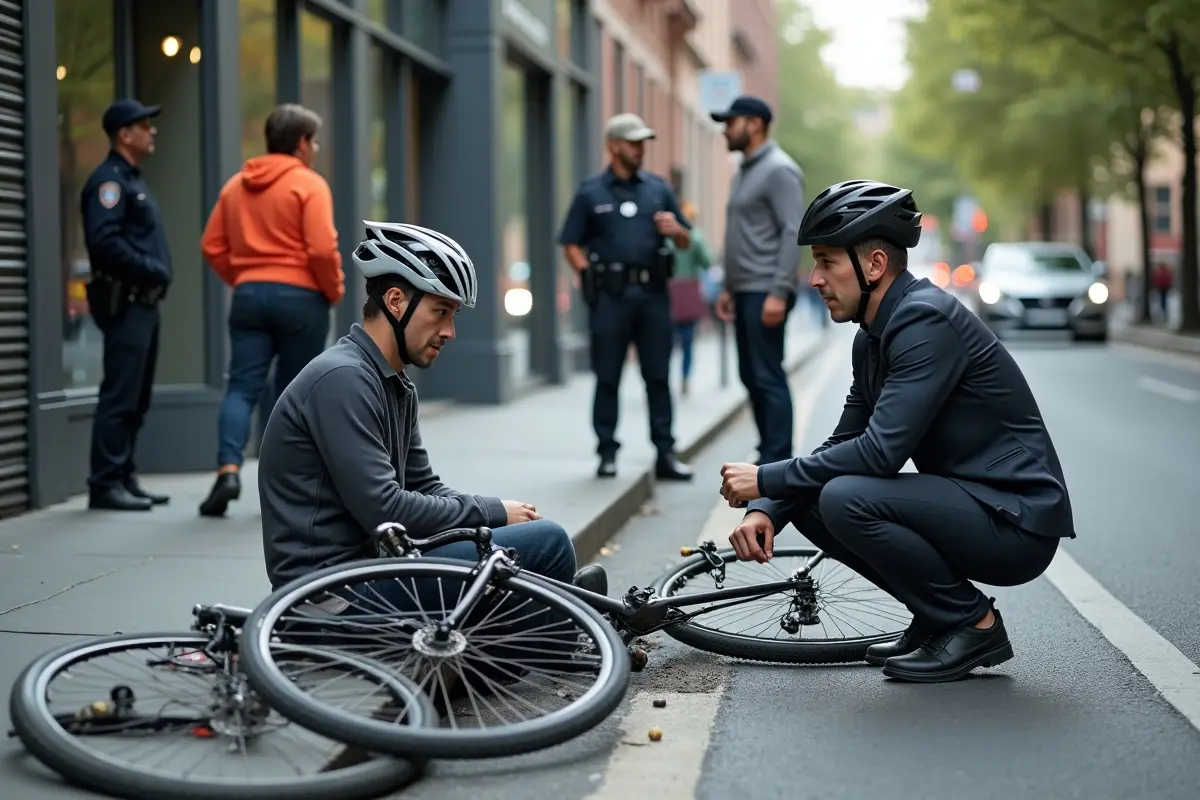
Insurance questions can become almost as complicated as the collision itself. A bicycle accident may involve the driver’s auto policy, the cyclist’s own coverage, health insurance, commercial insurance, or several policies at once. Knowing which source may pay can make a major difference in bicycle accident claims involving serious injuries and long-term expenses.
The Driver’s Liability Policy May Not Cover Every Loss
Liability insurance generally pays for injuries and property damage caused by an insured driver, up to the policy’s limits. After a bicycle crash, that coverage may address medical bills, lost income, damaged equipment, and other losses if the driver is found responsible. Coverage does not guarantee payment, though, because the insurer may dispute fault, question treatment, or argue that the rider contributed to the collision.
Policy limits can also create problems in severe bicycle accident cases. A driver may carry only the minimum required coverage, while the cyclist faces surgery, rehabilitation, and months away from work. Once the available limit is exhausted, additional compensation may depend on other insurance, another responsible party, or the driver’s personal assets.
What Happens When the Driver Has No Insurance?
Uninsured motorist coverage may help when an at-fault driver has no active policy. Depending on the terms, a cyclist could qualify through a personal auto policy even though no insured vehicle was being used at the time of the bike accident. Household policies may also deserve review because coverage sometimes extends to relatives who live at the same address.
Eligibility depends on policy language and state law. Insurers may challenge whether the cyclist qualifies as an insured person, whether notice was given on time, or whether the collision fits the policy definition of an uninsured motorist event. Reviewing the full contract matters because summary pages rarely explain every condition, exclusion, or deadline.
Underinsured Motorist Coverage Can Fill Part of the Gap
Underinsured motorist coverage may apply when the driver has insurance but not enough to cover the rider’s losses. For example, a modest liability limit may fall short after a bicycle accident causes brain trauma, spinal damage, or several fractures. The cyclist’s own policy could provide additional compensation after the at-fault coverage has been addressed.
Coordination between policies can be technical. Consent requirements, offsets, notice provisions, and settlement procedures may affect whether the injured person can use underinsured benefits. Accepting the driver’s policy limit without following those terms could create a dispute with the cyclist’s own carrier.
Health Insurance Often Pays Before Liability Is Resolved
Health insurance may cover emergency treatment, surgery, therapy, prescriptions, and follow-up care while a bicycle accident claim remains pending. Providers generally do not wait for a liability insurer to decide fault before requesting payment. Using health coverage can prevent treatment delays and reduce the risk of unpaid bills moving into collections.
Reimbursement issues may arise later. A health insurer, government program, or benefit plan may seek repayment from a settlement for expenses connected to the bicycle crash. These claims, sometimes called liens or reimbursement rights, need careful review because the amount requested may affect how much compensation the rider ultimately receives.
Commercial Policies May Apply to Work-Related Drivers
A delivery driver, bus operator, contractor, or other employee may cause a bike accident while performing job duties. Commercial auto policies often carry higher limits than personal coverage, but the insurer may still dispute whether the worker acted within the scope of employment. Route records, schedules, vehicle ownership documents, and company instructions can help answer that question.
Employer liability may extend beyond the driver’s actions. Poor training, unsafe scheduling, negligent hiring, or inadequate vehicle maintenance can create separate issues in bicycle accident cases. Identifying the company behind the vehicle may reveal insurance that is not listed on the information exchanged at the scene.
Hit-and-Run Claims Depend on Fast Reporting and Evidence
A cyclist may be unable to identify a driver who leaves the scene. Uninsured motorist coverage sometimes treats a hit-and-run vehicle as uninsured, but policies often require prompt police notification and proof that the event occurred. Delayed reporting can give the carrier a reason to question the claim.
Camera footage and witness information become especially valuable in these situations. Businesses, homes, traffic systems, and nearby vehicles may have recorded the bicycle crash, yet recordings can be erased within days. Photographs of paint transfer, broken parts, tire marks, and injuries may also help support the rider’s account.
Property Damage Coverage Has Its Own Limits and Disputes
Expensive bicycles, helmets, lights, cycling computers, clothing, and personal electronics can create substantial property losses. The driver’s property damage liability coverage may pay for repair or replacement if fault is established. Insurers may request purchase receipts, repair estimates, photographs, serial numbers, and proof of the bicycle’s condition before the accident.
Valuation often becomes a point of disagreement. A carrier may offer depreciated value rather than the amount needed to buy comparable equipment, especially for older or customized bicycles. Repairing or discarding damaged gear too early can remove evidence needed to challenge a low estimate.
Policy Exclusions Can Complicate Otherwise Valid Claims
Insurance contracts contain exclusions that limit coverage in certain situations. A personal policy may exclude commercial use, intentional conduct, unauthorized drivers, racing activity, or vehicles not listed on the policy. These provisions can affect bicycle accident claims even when the injured rider did nothing wrong.
Interpretation should depend on the actual wording rather than an adjuster’s brief explanation. Ambiguous language, conflicting endorsements, or incorrect coverage denials may require closer legal review. Written denial letters can reveal which provision the insurer relies on and whether that reasoning fits the facts.
Recorded Statements Can Shape the Insurer’s Position
Adjusters often request recorded statements soon after a bicycle accident. Early answers may be incomplete because the rider is injured, medicated, or still learning what happened. Comments about speed, visibility, pain, or prior medical conditions can later be used to dispute liability or reduce the claimed damages.
Careful communication helps prevent avoidable misunderstandings. The Lackey Law Firm can review available policies, identify uninsured or underinsured coverage, examine commercial insurance, address reimbursement claims, and respond to disputed exclusions. Its team can also help injured riders organize medical and financial evidence so bicycle accident cases reflect the full effect of the collision rather than the limits of one insurer’s initial evaluation.

