
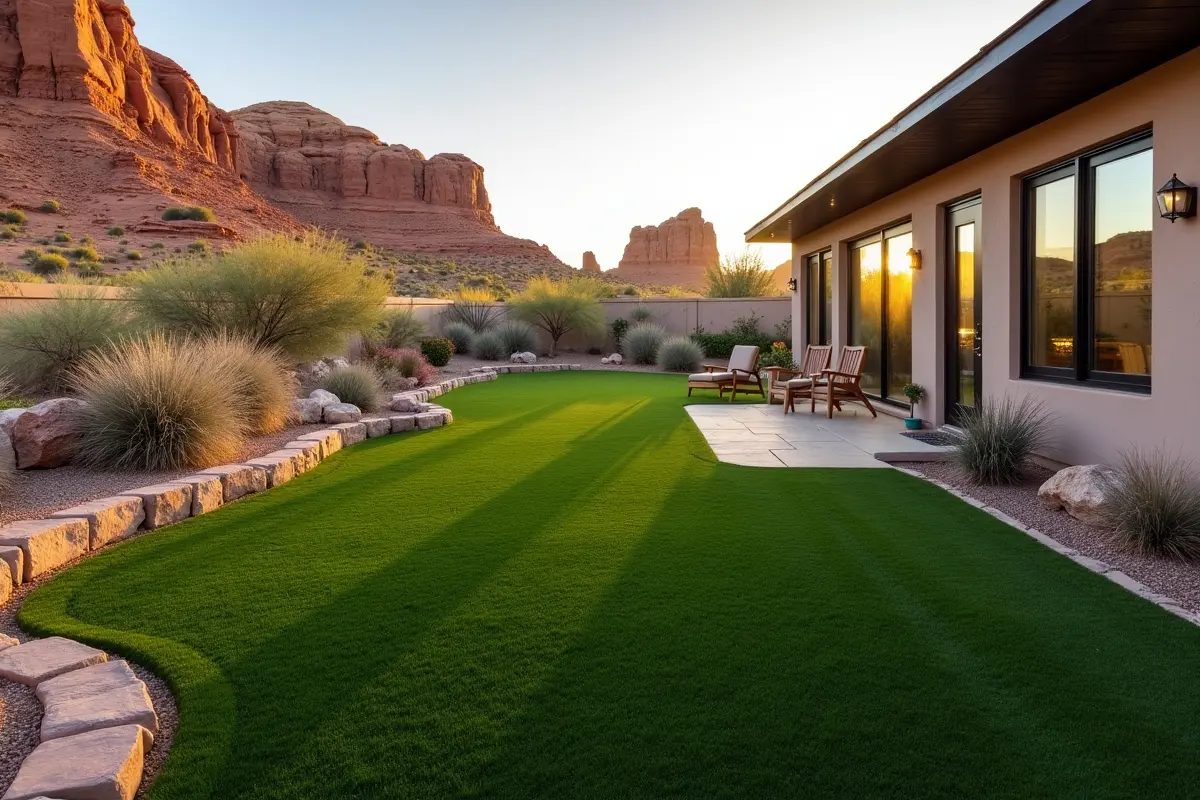
St. George yards face intense sunshine, dry conditions, wind, and long stretches of warm weather. Whether a homeowner is considering a natural lawn, gravel, mulch, drought-tolerant beds, or synthetic turf, the most useful starting point is to understand how the space will actually be used.
A front yard meant mainly for curb appeal has different needs than a backyard used for dogs, children, outdoor meals, or everyday barefoot traffic. A surface that looks tidy in spring may feel uncomfortably hot in midsummer, drain poorly during a storm, or demand more care than expected. Resources like artificial grass products can help homeowners explore options specific to their region.
Start With a Yard Assessment
Before selecting materials, walk the property at different times of day. Note where direct sun lands, where water collects, and which paths people already use. Also consider slopes, downspouts, compacted ground, existing trees, and the transition between patios, planting beds, and walkways. Set a practical budget that includes preparation as well as the visible finish.
Grading, drainage, soil improvement, edging, and base materials can have a major effect on how a landscape performs over time. For homeowners comparing a durable green surface for smaller activity zones, pet areas, or frequently used paths, artificial grass is one option to weigh alongside living plants and other ground covers. The best choice is usually tied to the purpose of a particular section of the yard, rather than a single solution for the whole property.
Comparing Common Yard Surface Options
Natural Turfgrass
Natural grass provides a soft surface for play and can make an outdoor area feel cooler than exposed stone or pavement. It also requires mowing, seasonal care, and irrigation during dry periods. Choosing turf suited to the climate and watering according to plant needs can reduce waste.
The EPA notes that climate-appropriate grass and efficient irrigation practices can help lower a lawn’s water demand. For a small, functional lawn, water-efficient turfgrass selection and irrigation can make more sense than trying to maintain a large expanse of grass that receives little use. Healthy soil matters too, because compacted soil limits water movement into the ground.
Artificial Grass
Synthetic turf eliminates mowing and routine irrigation, which can make it appealing in high-use areas. It is not maintenance-free, however. Leaves and dust need to be removed, fibers may need brushing, and pet areas generally require prompt waste cleanup and occasional rinsing to manage odors.
Heat deserves careful attention in St. George. Synthetic materials can become much hotter than the surrounding air in direct sun, so shade, surface testing, and timing of use matter for children and pets. University guidance on synthetic turf also emphasizes that homeowners should consider heat, maintenance, drainage, and runoff before installation.
Native and Drought-Tolerant Plantings
Planting areas can add shade, seasonal interest, and habitat while reducing the amount of lawn to maintain. Group plants with similar water needs, use mulch to help conserve soil moisture, and provide irrigation during establishment when appropriate. Thoughtful spacing is important because young plants need room to mature without becoming crowded.
Gravel, Mulch, and Hardscape
Gravel works well for paths, borders, and lower-traffic areas, while mulch can protect exposed soil around shrubs and perennials. Patios and paved surfaces create reliable places for seating and entertaining. These materials can also absorb or reflect heat, particularly where shade is limited, so they benefit from nearby planting, trees, pergolas, or umbrellas.
Heat and Drainage Should Shape the Design
In a hot climate, heat is not a minor comfort issue. It affects whether people will use a space and whether pets can safely walk across it. Check surfaces during the hottest part of the day with a bare hand held close to the material, or use an infrared thermometer.
If a surface is too hot to touch comfortably, it is not suitable for bare feet or paws at that time. Drainage is equally important. Water should move away from foundations and walkways without being directed toward neighboring property. Low spots, poorly compacted bases, and inadequate edging can lead to puddles, odors, erosion, shifting gravel, or settling surfaces. Any installed finish needs a plan for how rainwater enters, moves through, or exits the area.
Match the Surface to the Way the Yard Is Used
Children’s Play Areas
Prioritize shade, drainage, cushioning, and easy inspection. Avoid sharp gravel in primary play spaces, and do not assume any surface remains safe during peak heat without checking it first.
Pet Areas
Fast drainage and a realistic cleaning routine are essential. Include shade and access to water, remove waste promptly, and inspect the area for odors or worn spots. A small dedicated pet zone can be easier to manage than spreading the same material across the whole yard.
Entertaining and Walking Areas
Patios, compacted paths, and stable seating zones serve predictable foot traffic well. Planting beds around hard edges can soften the appearance, provide visual interest, and help make an outdoor gathering space feel less exposed.
Sloped or Difficult Sections
Address erosion before choosing a decorative finish. Deep-rooted plants, retaining features, and well-secured edging may be more appropriate than loose materials on a slope.
Questions to Ask Before Installation
- How will the existing soil be prepared or improved?
- Where will rainwater go during a heavy storm?
- What base, edging, or transition materials are needed?
- How hot will the finished surface become in direct afternoon sun?
- What monthly cleaning or seasonal upkeep will be required?
- How will settling, drainage changes, or damaged sections be handled later?
Build a Mixed Landscape Instead of a One-Material Yard
A practical St. George landscape may include a compact lawn or activity area, shaded seating, planted borders, mulched beds, and durable paths. This approach places each material where it performs best. It can preserve usable outdoor space while limiting unnecessary irrigation, reducing exposed heat, and keeping maintenance focused on the areas that matter most.
Frequently Asked Questions
Does artificial grass eliminate water use?
It can eliminate routine irrigation for the turf surface, but cleaning, rinsing, cooling, and nearby plants may still require water.
Which yard surface stays coolest?
Shade and living vegetation generally help moderate outdoor temperatures. Exposed synthetic turf, concrete, stone, and gravel can become uncomfortable in strong direct sun.
Is a full artificial lawn always the best choice?
No. A partial installation or a mixed design may better match a household’s activity patterns, shade conditions, drainage needs, and desire for planting areas.
A water-wise yard is not defined by one material. For St. George homeowners, the strongest plan considers heat, runoff, long-term care, and how each part of the landscape supports daily life.
Conclusion
A practical yard in St. George starts with choosing surfaces that suit the property’s conditions and the way the household uses its outdoor space. Sun exposure, heat, drainage, pets, children, and maintenance needs should all guide decisions about natural turf, artificial grass, gravel, mulch, and drought-tolerant plants.
Homeowners should also look beyond the initial appearance and consider preparation, irrigation, cleaning, and long-term upkeep before installation. In many cases, combining several materials can create a more useful landscape than covering the entire yard with one surface. By placing each feature where it serves a clear purpose, homeowners can create an outdoor space that is comfortable, manageable, and better suited to St. George’s dry climate.