
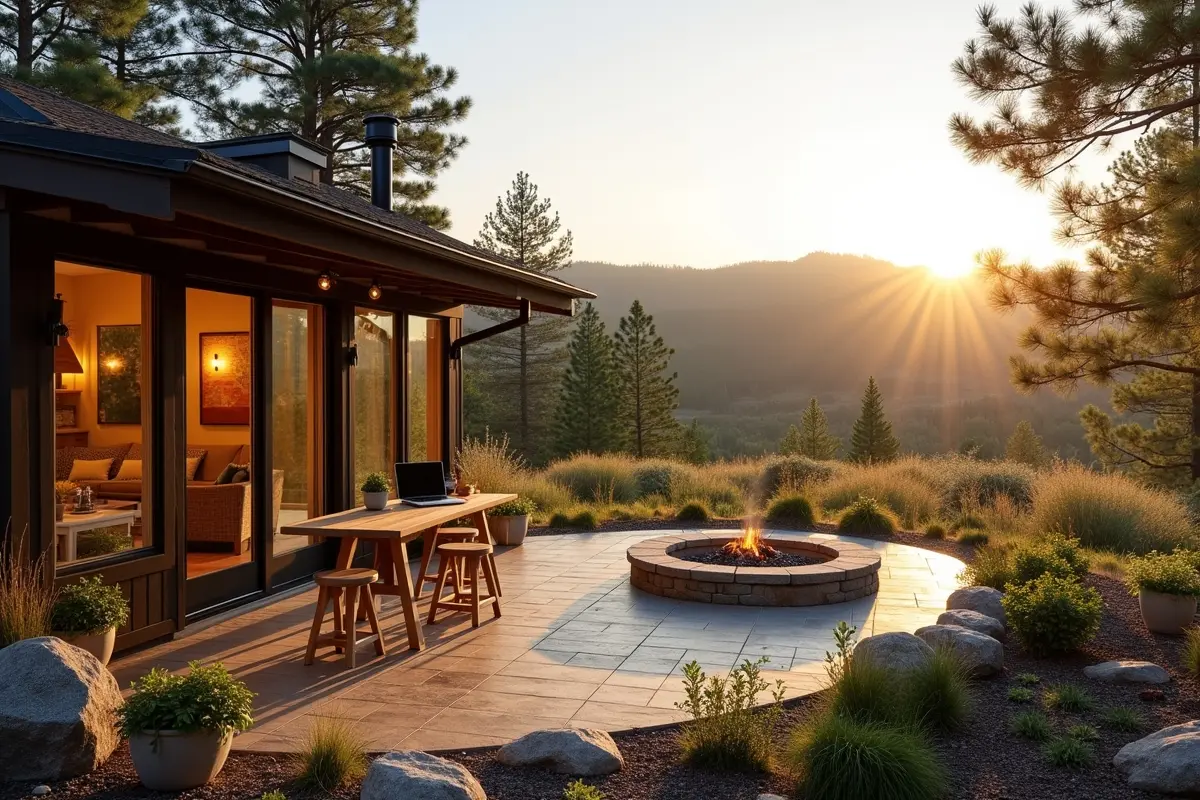
Choosing a home in Central Oregon involves more than comparing bedrooms, views, and kitchen finishes. The setting around the home can shape nearly every part of daily life, from a morning commute and grocery run to access to trails, medical care, schools, and seasonal activities. Buyers considering several areas can also use Bend, OR, real estate experts Team Fitch Real Estate as a local starting point for home searches, valuation guidance, buyer resources, and neighborhood information.
Team Fitch Real Estate focuses on Bend and nearby communities, including Redmond, Sisters, Sunriver, Black Butte Ranch, Brasada Ranch, Powell Butte, and Pronghorn, making its area knowledge useful when comparing distinct Central Oregon lifestyles. Two properties with comparable prices can deliver completely different experiences.
A home near Bend’s services and trail network may suit one household, while another may prioritize a larger lot, a quieter setting, resort amenities, or easier access to Redmond Municipal Airport. The goal is not to identify one best place to live. It is to identify the community that best supports your priorities.
Why Community Matters as Much as the Home
Central Oregon covers a broad high-desert area with communities that have their own pace, housing mix, and practical considerations. A Central Oregon region overview helps show the geographic context behind cities such as Bend, Redmond, Sisters, and Prineville. Within that wide area, buyers can find urban neighborhoods, smaller-town main streets, rural acreage, golf-oriented developments, and resort communities.
A home that feels ideal during a brief showing may feel less convenient after a month of long drives, limited nearby errands, or unfamiliar winter road conditions. Conversely, a property that seems farther from the center of town may be exactly right for a buyer seeking quiet evenings, open space, and room for equipment, hobbies, or guests.
Start With a Lifestyle Checklist
Before searching listings, write down what matters most and rank each item. This exercise creates a useful filter when several communities look appealing.
- Access to hiking, biking, skiing, rivers, golf, or other recreation
- Distance to work, frequent appointments, and airport travel
- Walkability and proximity to restaurants, shops, and groceries
- Privacy, lot size, views, and tolerance for rural upkeep
- Schools, childcare, and family-oriented services
- Healthcare, pharmacies, and emergency access
- Resort amenities, community facilities, or golf access
- Purchase price, monthly payment, and ongoing ownership costs
- Second-home use or rental rules, where applicable
Comparing Bend, Redmond, and Sisters
Bend
Bend may suit buyers who want a larger concentration of restaurants, retail, employment options, and city services. It also appeals to people who value access to the Deschutes River, parks, trails, and year-round community activity. Within Bend, however, neighborhood character can change considerably. Compare traffic patterns, lot sizes, school routes, noise levels, and access to the places you visit most often.
Redmond
Redmond can be a practical choice for buyers who want regional access, a smaller-city feel, or a different mix of housing options. Its proximity to the regional airport can matter for frequent travelers. Buyers who expect to travel regularly to Bend should test the route at the times they would actually drive, rather than judging convenience by mileage alone.
Sisters
Sisters may appeal to buyers drawn to a smaller-town environment, Cascade scenery, and a strong sense of place. It can be an especially compelling option for people whose routines center on outdoor recreation or a quieter pace. At the same time, buyers should consider the distance to larger medical facilities, broader shopping options, and employment centers, as well as winter travel needs on mountain routes.
Look Beyond the Main Cities
Sunriver, Pronghorn, Black Butte Ranch, Eagle Crest, Brasada Ranch, Powell Butte, and Prineville offer additional paths to a Central Oregon lifestyle. Some buyers may prefer a resort setting with organized amenities. Others may favor acreage, equestrian potential, privacy, or a home farther from dense commercial areas.
These locations also require more detailed due diligence. Review homeowners association fees and rules, road maintenance responsibilities, water and sewer arrangements, wildfire exposure, insurance availability, and any restrictions on short-term rentals or exterior changes. A rural or resort property can be a strong fit, but it should be evaluated on its own terms rather than compared directly with an in-town home.
Build a Simple Community Scorecard
While touring homes, assign each community a score from one to five in the following categories:
- Monthly housing cost, including taxes, dues, and estimated maintenance
- Commute time and airport access
- Convenience of groceries, services, and regular errands
- Outdoor recreation that matches your interests
- Healthcare and emergency access
- School and family-service fit
- Privacy, neighborhood atmosphere, and noise level
- Long-term resale appeal for the property type
- Insurance, snow removal, landscaping, and property-system costs
This method helps separate a home’s visual appeal from the realities of ownership. A beautiful property can lose ground when its total cost, winter access, or drive time does not match the buyer’s needs.
Use Current Market Data With Care
Current market reports can help buyers understand asking prices, active inventory, days on market, and recent sales activity. Still, no single figure explains an entire community. Median price is the middle price in a set of sales, while price per square foot can be influenced by age, condition, lot size, views, and upgrades. Months of supply and days on market can also shift as new listings and sales occur.
Compare like with like whenever possible. A condo, a new-construction home, a rural property with acreage, and a resort residence may serve different buyers and carry very different operating costs. Use current data to frame questions, then evaluate individual homes based on condition, location, and total ownership expense.
Check Practical Details Before Making an Offer
- Drive the work route during the hours you expect to travel.
- Identify the nearest hospital, urgent care, pharmacy, and grocery store.
- Confirm whether the property uses public utilities, a private well, septic, propane, or another system.
- Ask about winter access, plowing, wildfire concerns, and road maintenance.
- Review homeowners association documents, dues, and architectural rules.
- Confirm rental rules and verify internet and cell-service options.
A Five-Step Plan for Choosing Your Community
- List non-negotiables. Define the needs you cannot compromise.
- Choose three realistic areas. Keep budget and daily travel in view.
- Test the routine. Visit at different times, drive key routes, and complete a few ordinary errands.
- Compare total costs. Include insurance, utilities, dues, maintenance, and travel.
- Think beyond move-in day. Consider changing work arrangements, family needs, aging, and future resale.
Conclusion
The right Central Oregon community is the one that works well on an ordinary Tuesday, not only during a memorable weekend showing. Buyers should consider how easily they can reach work, schools, groceries, healthcare, recreation, and other places they visit regularly. It is also important to compare housing costs, property condition, maintenance expectations, neighborhood character, and access to outdoor activities.
Visiting communities at different times of day can reveal traffic, noise, seasonal activity, and other details that may not appear during a scheduled tour. By comparing daily convenience, recreation, costs, services, and long-term goals, buyers can narrow the search with greater confidence. Once the community fits your lifestyle and budget, choosing the right home within it becomes far more straightforward and can lead to a more comfortable, practical, and rewarding ownership experience.