Maintaining a comfortable indoor environment is essential year-round. Whether you’re facing an unexpected system breakdown or planning a large gathering, the right cooling option can make all the difference. Temporary Cooling Solutions are designed to address these needs, providing reliable, flexible comfort wherever you need it most.
These solutions fill crucial gaps when permanent HVAC systems are unavailable, inefficient, or under maintenance. They also allow property owners and event organizers to manage temperature fluctuations with ease and responsiveness. With improvements in portability, efficiency, and capacity, temporary cooling units are emerging as a go-to response for a variety of scenarios.
Modern cooling units can be rapidly deployed for emergencies or to supplement existing systems during heatwaves or peak usage. Importantly, the development of eco-friendly models means organizations can maintain a responsible energy profile while meeting their immediate climate control needs. The appeal of these systems lies in their adaptability and cost-effectiveness.
Users confronting system breakdowns or planned equipment upgrades also find immense value in knowing that, anytime a critical situation arises, dedicated solutions like Emergency HVAC support are readily available. This minimizes business disruption and offers vital peace of mind.
Understanding Temporary Cooling Solutions
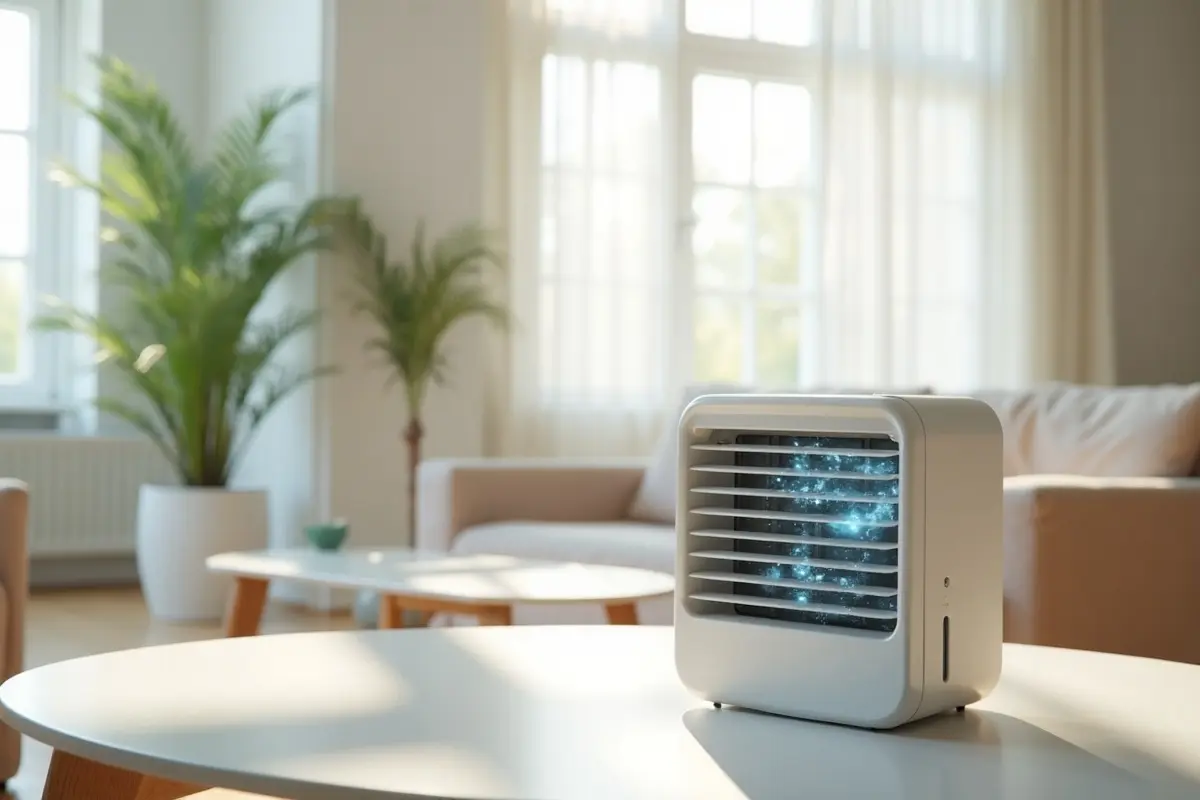
Temporary cooling solutions comprise a range of portable and rental systems engineered to deliver fast, effective temperature control. These systems range from small spot coolers for individual rooms to large-scale chiller installations for facilities. Their role becomes most significant when built-in systems fail, are under repair, or cannot keep up with sudden increases in demand.
Facilities often experience periods when infrastructure is outdated or undergoing renovation, necessitating alternative cooling options to protect both occupants and temperature-sensitive equipment. Innovative temporary cooling systems can be tailored to suit environments like server rooms, medical facilities, schools, and entertainment venues.
Common Applications of Portable Cooling
Portable cooling systems are invaluable in a range of settings. Here are some typical uses:
- Emergency Cooling: When HVAC systems malfunction, portable coolers help maintain a comfortable indoor climate while repairs are underway.
- Event Cooling: Large gatherings, festivals, and outdoor tents often require supplemental cooling to accommodate crowds and protect equipment.
- Supplemental Cooling: Industrial spaces or offices sometimes need extra cooling capacity during peak heat, especially when existing systems are overwhelmed.
Advantages of Temporary Cooling Systems
Temporary cooling systems deliver numerous benefits, making them attractive for both short-term fixes and ongoing support:
- Flexibility: Portable coolers can be quickly relocated or reconfigured as needs change, allowing users to address unexpected issues or shifting demands.
- Cost-Effectiveness: Organizations save on the capital expense of permanent installations for needs that are seasonal, occasional, or transient.
- Rapid Deployment: These solutions minimize downtime by enabling fast installation and activation, ensuring business operations continue with minimal interruption.
Choosing the Right Temporary Cooling Solution
Selecting the appropriate temporary cooling system hinges on several considerations. Factors such as space size, expected occupancy, local climate, and desired temperature range all play a role. Consulting with professional technicians helps ensure the right fit for each application. It is advisable to conduct a thorough site assessment and energy analysis before making a decision.
This approach not only keeps running costs in check but also ensures reliable, consistent temperature control throughout the period of use. Additionally, assessing the possibility of integrating the temporary solution with existing infrastructure can enhance performance and efficiency. For more information on best practices for climate control and energy management, refer to resources from the U.S. Department of Energy.
Energy-Efficient and Sustainable Options
Advances in cooling technology have made energy-efficient temporary options more accessible. Features such as programmable controls, high-efficiency fans, and variable-speed compressors help reduce energy consumption and lower operating costs.
Some organizations are implementing innovative strategies, including ice battery systems that store cooling energy for use during peak load periods, resulting in significant savings and lower environmental impact. These sustainable choices reflect growing market emphasis on responsible energy use, supported by industry-wide recognition of their benefits.
Installation and Maintenance Considerations
To maximize efficiency and lifespan, it is crucial to position temporary cooling units correctly and conduct regular maintenance. Installation should prioritize accessibility, airflow, and safety to ensure the system operates at peak performance. Maintenance routines typically involve filter replacement, coil cleaning, and routine checks on mechanical and electrical components. Partnering with experienced technicians helps identify potential issues early and maintain unit reliability.
Cost Analysis and Budgeting
Temporary cooling presents a practical option for businesses and facility managers balancing budget and comfort. While these solutions can lower upfront expenses compared to permanent systems, it is still essential to analyze total costs, including equipment rental, energy use, and any additional installation or maintenance fees. Comparing these factors to the potential financial impact of system downtime or discomfort may reveal hidden savings and reinforce the value of a prepared and flexible approach.
Conclusion
For any organization or venue facing the risk of discomfort from unexpected heat or system downtime, temporary cooling solutions are invaluable. Understanding how to implement, maintain, and optimize these systems helps maximize both comfort and efficiency. By choosing solutions that align with your space, usage needs, and sustainability goals, you ensure an environment that supports productivity, safety, and overall well-being.