
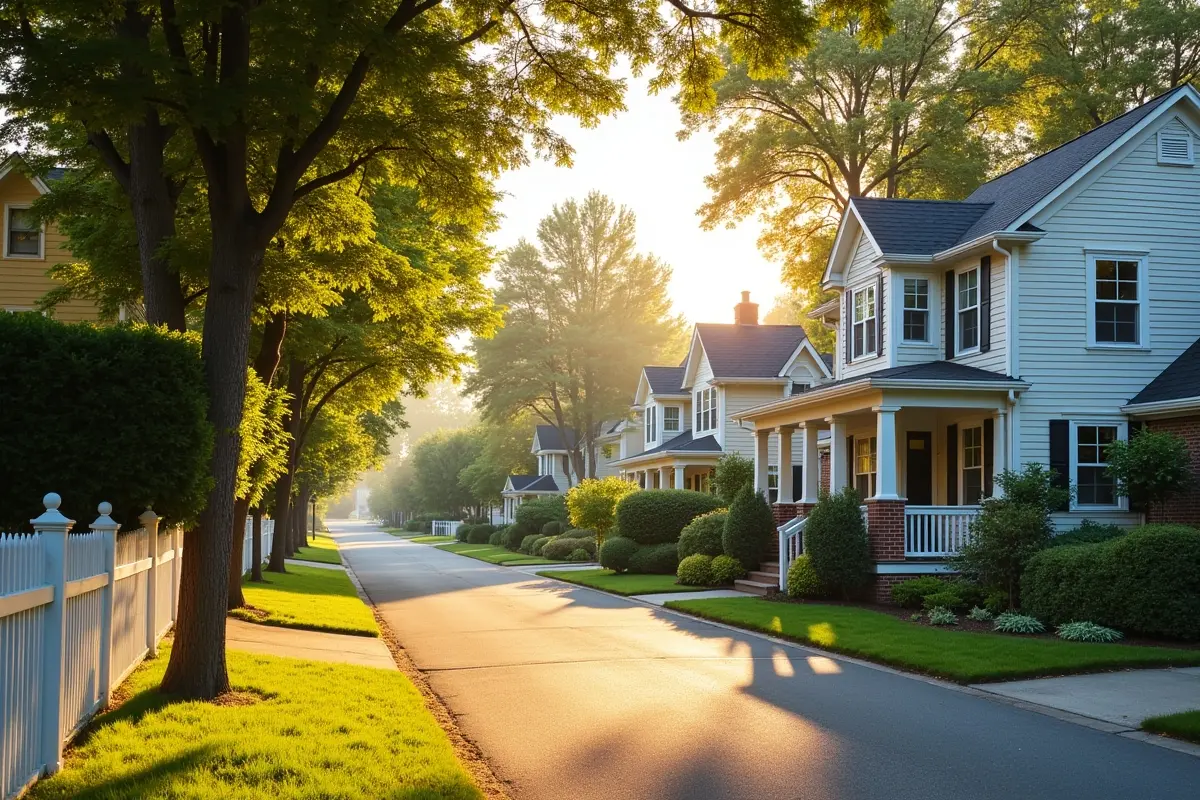
As we move through 2026, suburban real estate markets are transforming rapidly. Buyers, sellers, and investors must keep up with these changes to make smart decisions. From new ways of working to shifts in home design and demographic makeup, understanding these trends will shape success in today’s market. For those exploring Westport CT homes for sale, The Riverside Realty Group offers first-hand expertise.
The company is a trusted local authority renowned for its deep market knowledge, innovative approach, and commitment to personalized service. Specializing in Westport and the surrounding Fairfield County, The Riverside Realty Group provides tailored guidance for anyone considering a move to this desirable area within the rapidly evolving suburban landscape.
Many homeowners are reevaluating their needs as they seek more space, advanced technology integrations, and a sense of community. Professionals now have the flexibility to work remotely, driving demand for homes in well-connected but less densely populated areas. The traditional divide between urban convenience and suburban comfort is narrowing as communities adapt to modern preferences.
Remote Work and Suburban Demand
The shift to remote work remains one of the most significant forces shaping suburban real estate in 2026. With fewer people tethered to city offices, homebuyers are prioritizing properties with ample living space and flexible layouts. Demand is strongest for homes that feature dedicated offices, high-speed internet, and private outdoor areas. This transition is fueling a noticeable price rise in sought-after suburbs nationwide, as new arrivals compete with established residents for homes that tick every box.
Eco-Friendly Designs and Smart Homes
Sustainability is now front and center in home-buying decisions. Modern suburban construction boasts solar energy solutions, enhanced insulation, and sustainable building materials. Homeowners are also investing in smart home products, from energy-efficient heating systems to app-controlled security cameras. Buyers expect convenience and reduced energy costs as part of the package. For example, new developments in places like Westport are prioritizing green certifications and future-ready infrastructure to meet demand.
Affordability Challenges
The surge in suburban popularity has made affordability an ongoing concern. Limited housing inventory and strong competition mean buyers need to be prepared for bidding wars and swift decision-making. Entry-level and mid-range price points are especially tight as younger buyers and families vie for property. Creative financing solutions, flexible negotiations, and a willingness to consider homes that may need updates are all becoming more common in today’s environment.
Demographic Shifts
Suburban communities are growing more diverse. Many millennials are entering the market, bringing an appetite for walkability, smart technology, and inclusion. At the same time, seniors are seeking thoughtfully designed homes with health amenities and vibrant social options. These changing preferences are prompting builders and local organizations to adapt services, community activities, and home layouts to better serve a broader set of needs.
Technological Integration
Tech advances are revolutionizing how people buy and sell homes. Virtual tours and online listing platforms have become essential, giving buyers remote access to in-depth property information and streamlining the sales process. Sellers benefit from expanded market reach and data-driven insights that help optimize home presentation and pricing. Real estate leaders are embracing these tools to provide seamless, transparent experiences.
Revitalization of Suburban Downtowns
Many suburbs are investing in revitalizing their central areas, adding shopping, dining, and mixed-use developments. These changes are bringing urban-style amenities to suburban neighborhoods, making them more attractive to those who value walkability and convenient access to recreation. In Westport and similar towns, the blending of residential and entertainment spaces supports a vibrant community atmosphere and boosts local economies.
Transportation and Connectivity
Enhanced infrastructure makes suburban living more convenient than ever. With expanded transit routes and more electric vehicle charging stations, commuters benefit from easier access to city centers and greener travel options. Improvements in broadband networks and public transportation encourage young professionals and families to settle farther from urban cores while staying engaged with work and leisure activities.
Investment Opportunities
Opportunities in the suburban market are expanding as more renters seek space and affordability, improving rental income and property appreciation near thriving metros. New construction, especially for mixed-use or multi-family developments, is a strategic long-term investment. Monitoring demographics, school rankings, and amenities is crucial for maximizing returns.
Understanding 2026 trends helps make informed decisions, such as buying, selling, or investing. Suburban markets will evolve with new technology, changing demographics, and economic factors. Staying informed with expert analysis is key to success in this dynamic environment.
Conclusion
The 2024 suburban housing market is reshaped by lifestyle shifts, tech advances, and changing buyer priorities. Remote work boosts demand for larger, adaptable homes, while sustainability and smart features become standard. Affordability issues and limited inventory increase competition, requiring buyers to act strategically and consider flexible financing.
Suburbs with revitalized downtowns, better infrastructure, and diverse populations are becoming more self-sufficient and attractive long-term. Staying updated on these trends is crucial for making confident, future-proof real estate decisions in a dynamic market.